AIは森林による大気浄化を解明できるか?Can AI Help Explain How Forests Clean the Air?
森林は大気中の粒子や窒素化合物を吸収し、環境を浄化する重要な役割を担っています。しかし、そのプロセスは驚くほど複雑で、現在の数値モデルでも十分には再現できません。
もし最新のAIが、物理法則を理解しながら森林内の粒子輸送を解析できるとしたらどうでしょうか?
2026年8月、第43回エアロゾル科学・技術研究討論会(金沢)において、博士課程1年の Julian Evan Chrisnanto さんが、当研究室初となる AI × エアロゾル科学の研究成果を発表しました。この研究では、森林キャノピーにおけるエアロゾル乾性沈着という難しい環境問題に対して、物理情報ニューラルネットワーク(PINN)を活用した新しいアプローチを提案しています。
Forests play a vital role in improving air quality by capturing airborne particles and reactive nitrogen compounds. Yet the underlying deposition processes are remarkably complex, and even today’s environmental models struggle to reproduce them accurately.
What if modern artificial intelligence could help analyze particle transport within a forest canopy while still obeying the laws of physics?
On August 28, 2026, first-year doctoral student Julian Evan Chrisnanto presented our laboratory’s first AI-driven aerosol study at the 43rd Annual Meeting on Aerosol Science & Technology (JAAST) in Kanazawa. The study introduces a new Physics-Informed Neural Network (PINN) framework for analyzing aerosol dry deposition in forest canopies, one of the long-standing challenges in atmospheric and environmental science.
学際的な共同研究によって実現 Built Through Interdisciplinary Collaboration
本研究は、多分野の研究者による連携によって実現しました。
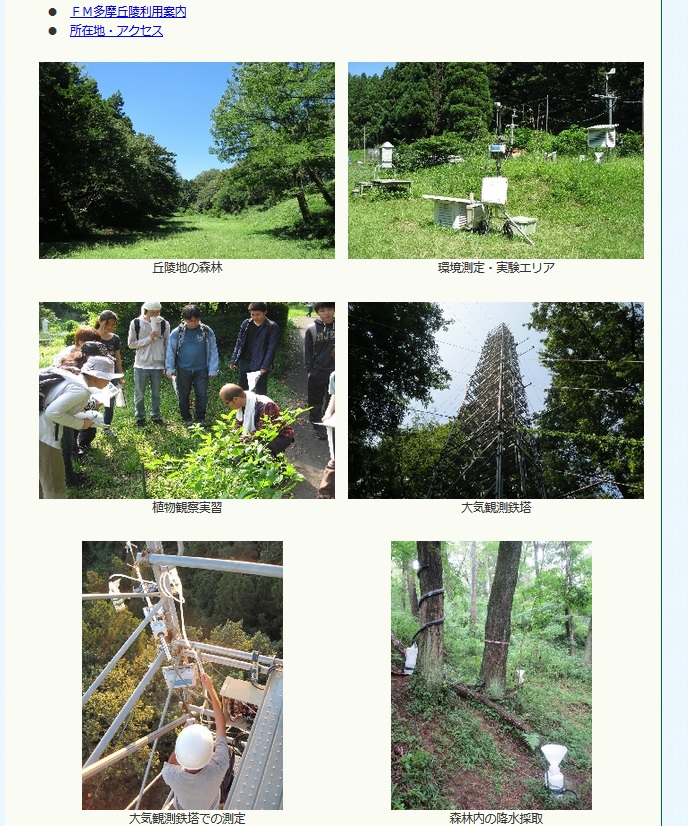
研究で使用した森林キャノピー観測データと長年蓄積された乾性沈着研究は、松田和秀教授の研究室およびFM Tama(八王子市にある大学の実験森林)での観測に基づいています。また、徐茂博士(松田研究室の博士修了生、現九州大学研究員)による既報研究成果、堅田元喜博士(キャノングローバル戦略研究所)らが開発してきた森林キャノピー多層モデル SOLVEG、さらに反町篤志博士(東洋大学教授)による粒径分布のリアルタイム観測技術も重要な基盤となりました。
本研究は、観測・大気化学・物理モデル・AIを結び付けることで、従来の単一分野では難しかった新しい解析手法に挑戦したものです。
This study was made possible through collaboration across multiple disciplines.
The work builds upon long-term forest-canopy observations and aerosol deposition studies conducted by Dr. Kazuhide Matsuda and colleagues at FM Tama (Hachioji, Tokyo). Published analyses by Dr. Mao Xu (former TUAT Matsuda Lab, PhD student, now with Kyushu U.), the multilayer forest-canopy model SOLVEG developed by Dr. Genki Katata (Canon Institute for Global Studies), and real-time aerosol size-distribution measurements contributed by Dr. Atsushi Sorimachi (now, Professor, Toyo U.) provided key foundations for the project.
By integrating environmental observations, atmospheric chemistry, process-based modeling, and artificial intelligence, the team explored a new approach to understanding aerosol transport in complex forest environments.
The full paper is currently being prepared for submission to the upcoming special issue on Aerosols x AI in Aerosol and Air Quality Research (Springer Nature).
博士課程1年生による新しい挑戦
この研究は、博士課程1年の Julian Evan Chrisnanto さんにとって、AIと環境エアロゾル科学を本格的に融合させた最初の研究プロジェクトでもあります。
Evanさんはこれまで環境システムと輸送現象に関心を持っていましたが、本研究ではさらに一歩進み、物理モデル・大気化学・機械学習という異なる分野を横断することに挑戦しました。
今回の研究も、「AIを使うこと」そのものが目的ではなく、
森林はどのようにエアロゾル粒子を取り込み、大気を浄化しているのか?
という問いからスタートしました。
研究を通じて、単にAIを利用するだけでなく、観測データ・物理法則・環境システムを結び付けながら新しい問いを探究する経験を積んでいます。
A First-Year PhD Student Exploring AI and Aerosol Science
For Julian Evan Chrisnanto, this project represents the first major attempt to combine artificial intelligence with environmental aerosol science.
While having a background in environmental systems and transport phenomena, this study required crossing disciplinary boundaries among atmospheric chemistry, physical modeling, field observations, and machine learning.
The goal of the project was never simply “to use AI.” Instead, it began with a scientific question:
How do forests remove airborne particles and reactive nitrogen compounds from the atmosphere?
Through this research, Evan is learning how to connect observations, physical principles, and AI tools in order to investigate complex environmental systems and formulate better scientific questions.
私たちは AI を「答えを出す機械」とは考えていません。自然や社会に対して、より良い問いを設計するための新しい道具だと考えています。また、この研究で最も重要な成果は論文そのものではなく、若い研究者がエアロゾル科学・環境科学・AIを横断しながら、新しい問いに挑戦し始めたことかもしれません。At our lab, we do not see AI as a machine that provides answers. We see it as a new tool for designing better questions about nature and society. Perhaps the most important outcome of this project is not the paper itself, but the emergence of a young researcher learning to connect aerosol science, environmental systems, and artificial intelligence in pursuit of new scientific questions.

