>> 研究室ガイド(学部生向け)Lab Guide for Undergraduate Students
Transport Phenomena and Particle Engineering for Sustainable Systems
Our group/lab studies transport phenomena across multiple scales, integrating particle and aerosol technology, fluid/heat/mass transfer, materials processing, and bio-environmental systems. Our goal is to translate fundamental understanding into practical solutions for sustainability. 私たちは、微粒子・エアロゾル工学、物質・流体・熱の移動現象、化学プロセス、生物システムという異なる領域を横断する研究に取り組んでいます。食料生産や水資源の課題、生態系の保全に貢献することを目指しています。微視的なレベルでは、微粒子の動きを、マクロ的なレベルでは、地球規模の気候変動を含めたさまざまなスケールでの物質やエネルギーの移動を考慮しています。We apply our expertise to address challenges in food production, water resources, and ecosystem protection, considering materials and energy transfer across a wide range of scales, from microscopic to macroscopic, including the global environment.
| lens.org | scopus | scholar.google | orcid | exaly |
⇒ 私たちの世界初 ▶ Our “World’s First”

Atmospheric/大気, Climate/気候, Particulate Matter/粒子状物質, PM2.5, PM1.0, Particles, Soot/煤, Sprays/噴霧

Material process
論文▶材料プロセス
Combustion/燃焼, Crystallization/結晶化, Electrochemistry/電気化学, Electrostatic/静電気, Nanoparticle, Powder, Synthesis/合成


🎓 当研究室の特徴の一つは、研究テーマの多様性にあります。学生一人ひとりが自ら課題を設定し、物理・化学・生物を横断する独自の探求を行っています。The Lenggoro Lab is uniquely characterized by the diversity of its studies. Students can define their own paths, conducting original research that bridges physics, chemistry, and biology. Recent Diverse PhD Thesis Topics / 多彩な博士研究テーマの例:
- 🌱 Plant Science: Particle transport phenomena within living plants. (植物内粒子輸送)
- 🔬 Biomaterials: Synthesis of innovative materials for health and agriculture. (バイオ材料創製)
- 💧 Fluid Dynamics: Heat and fluid transfer in complex porous media. (多孔質媒体中の熱・流体移動)
- 💨 Aerosol Engineering: Formation and immobilization of functional thin films. (エアロゾルによる機能性薄膜形成・粒子固定化)
Research Direction (2007-2026) at TUAT
Phase 1: Transition and Mastery of Advanced Synthesis (2007-2012)
We developed aerosol and colloidal processing techniques. These techniques are primarily for high-performance inorganic functional materials.
- Core Technologies: Spray Methods (Electrospray), Electrophoretic Deposition.
- Key Materials & Applications:
- Luminescent Phosphors: High luminance YAG:Ce nanoparticles… (2008), Correlations between crystallite/particle size and photoluminescence properties… (2007).
- Dielectric/Ceramic Nanoparticles: Surface modification of BaTiO3 particles… (2009), Formation of BaTiO3 nanoparticles… (2007).
- Magnetic Nanoparticles: One-step synthesis of silica-coated magnetite nanoparticles… (2012), Monolayer deposition of L1(0) FePt nanoparticles… (2007).
- Early Health/Bio hints: Biopersistence of inhaled nickel oxide nanoparticles… (2007), Investigation of gene expression… in rat lung… (2011).
- This period was about demonstrating technical mastery. It involved exploring the process-property relationships of advanced materials.
Phase 2: The “Bio-Application & Environmental” Pivot (2013-2018)
A transition from engineered particles to understanding their interactions with living and environmental systems.
- Core Technologies: Aerosol transport and deposition on complex surfaces, nanoparticle-system interactions.
- Key Materials & Applications:
- Biological Molecules: Transformation of cyclodextrin glucanotransferase (CGTase)… via electrospraying (2014), Immobilisation of CGTase enzyme in… nanofibrous membrane (2016, 2021), encapsulated mefenamic acid… via electrospray (2018).
- Environmental Interactions: Effects of long-term exposure to ammonium sulfate particles on… seedlings (2014), Effect of epicuticular wax crystals on… deposition… on needles of Cryptomeria japonica (2016).
- The “Soot” Discovery: Carbonaceous nanoparticle layers prepared using candle soot… (2018). This discovery, born from aerosol research, became a seed for our next phase.
- From “How can we make better inorganic particles?” to “What happens when our engineered particles interact with biological and environmental systems?” This is where our research became uniquely interdisciplinary.
Phase 3: Consolidation into Sustainability & System-Level Solutions (2019-2026)
In this most recent phase, the discoveries from Phase 2 have matured into system-level solutions addressing major societal challenges. The focus shifted from observation to intervention.
- Core Technologies: Bio-inspired engineering, nanoparticle-transfer, sustainable materials processing.
- Key Materials & Applications:
- Water & Energy: The 2018 soot discovery is applied in One-step fabrication of soot particle-embedded fibrous membranes for solar distillation… (2023).
- Agriculture & Food: The concept of particle-plant interaction is refined into technology: Candle soot colloids enhance tomato… seed germination (2024), The Role of Silica Nanoparticles in Promoting… Germination (2023), and multiple papers on seed-nanoparticle-priming (2025). Our collaborators also explore nanocellulose… bionanocomposite film… for food packaging (2025).
- Environmental Remediation: Adsorptive capacity of… bentonite and kaolin powders for ammonium removal (2021), Surface treatment of clayey soil particles for reducing water loss (2022).
- Our lab’s identity is now consolidated as “Particle Engineering for Sustainable Systems.” The foundational knowledge from the earlier phases is now being translated into practical technologies for a sustainable future.
Selected Publications: World-First Research (with TUAT Students) 世界初の技術開発と成果: 東京農工大学での代表的論文リスト
🌱 Bio-Systems & Sustainable Technologies (生物・環境技術)
- 繭(まゆ)を使わないシルク生産技術: Non-Cocoon, Direct Silk Gland Extraction (DSGE) to Fibroin Powder, Adv. Powder Tech. (2025) (Patent)
- 植物への100+ nmの粒子の導入法: Stem cutting: Transporting water-insoluble 100+ nm particles into seedlings, Plant Physiol. Biochem. (2024)
- 煤コロイドは種子の発芽におよび幼苗の品質を向上させる: Soot Colloids Enhance Seed Germination and Seedling Quality, Discover Agric. (2024)
- 植物の気孔から学ぶ多孔質体への粒子挿入技術: Insertion of colloidal particles in the pores of a honeycomb structure via an aerosol route, J. Soc. Powder Technol. Japan (2014) Best Poster Award, 9th Asian Aerosol Conference (2015)
- 長期間の植物用、エアロゾル曝露システム 🔬: A plant growth chamber system equipped with aerosol generators, Particuology (2023) Best Poster Paper Award, 13th Asia Pacific Confederation of Chemical Engineering Congress (2010)
- 土壌コーティングによる節水技術: Surface treatment of clayey soil particles for reducing water loss, Adv. Powder Tech. (2022)
⚡ Particle Transport, Synthesis, Immobilization, Functionalization (粒子輸送・合成・固定化・機能化)
- 高分子繊維とエアロゾルの”気中混合”による太陽光蒸留膜: Candle burning–assisted electrospinning: Soot-in-membranes for solar distillation, Adv. Powder Tech. (2023) 22nd APT Distinguished Paper Award (Society of Powder Technology, Japan & Elsevier)
- 回転×電気化学による粒子合成法(コスメ企業との特許): Rotary-electrochemical method for particle synthesis, JP Patent JP2019112668A (Co-filed with CBIC Co., Ltd.)
- ロウソク一本から作る親水性・疎水性炭素系膜: Carbonaceous Layers from Candle Soot Particles, Aerosol Air Qual. Res. (2018)
- 熱対流による滴の微粒化とナノ粒子合成: Fragmentation and decomposition of solution droplets by thermal convection, Adv. Powder Tech. (2018)
- パルス型電気泳動法によるワイヤーへの水中コロイド粒子固定化: Electrophoretic-made structure (on a wire) from aqueous nanoparticle suspension, J. Ceram. Soc. Jpn (2009) (Patent)
- ナノ多孔体(100nm)中への水中コロイド粒子固定化: Immobilization of colloidal particles into sub-100 nm porous in water, Coll. Surf. A (2014)
🔍 Advanced Analytics & Surface Sensing (計測・分析技術)
- TOLTA: 加熱中の材料内における液体移動可視化技術 (OCT応用): Observation of Viscous Liquid Flow in Tobacco Substrate during Heating using Optical Coherence Tomography (OCT), R. Soc. Open Sci. (2023)
- ラマン分光 x 微粒子集積による高感度表面分析: Probing organic molecules by spraying nanoparticles and surface-enhanced Raman scattering, RSC Adv. (2015)
- 微小領域(μm)の表面電位計測(植物葉からの学び): Area-selective deposition of charged particles on a surface with different hydrophilic levels (Learning from plant leaves), J. Aerosol Sci. (2014)
>> Our original technology. 独自技術
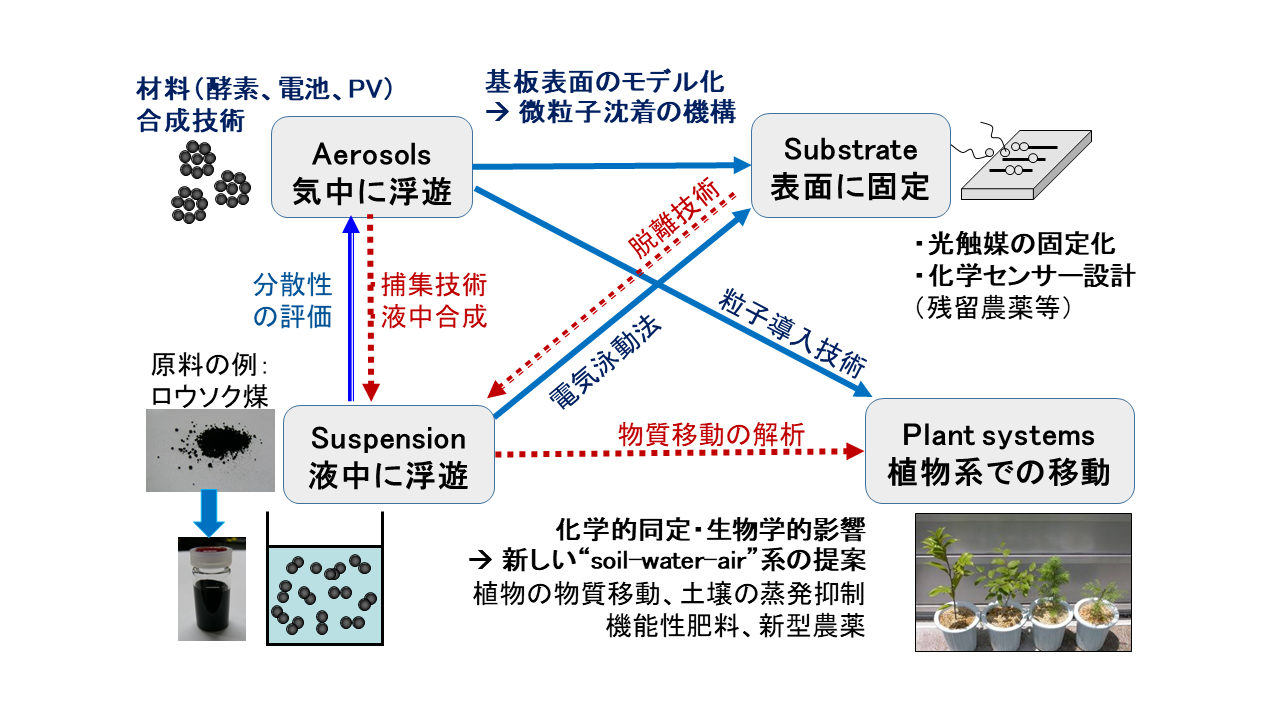
| Material process/ 材料プロセス開発 | Fluid/Heat-Transfer / 流体と熱の移動 |
| Aerosol technology/ エアロゾル工学 | Learning from Biosystems/ 生物から学ぶ |
| Food production/ 食料生産 | Water/ 水 |
| Ecosystems(大気環境も含む) | Material transfers/ 物質移動 |
| Measurement Technology/ 計測工学 | Health & Risk/ 健康&リスク |



>> 研究トピックス(2020年前) RESEARCH TOPICS (Before 2020)

戦略的な学際性:私たちの研究ポートフォリオ Strategic Interdisciplinarity: Our Research Portfolio
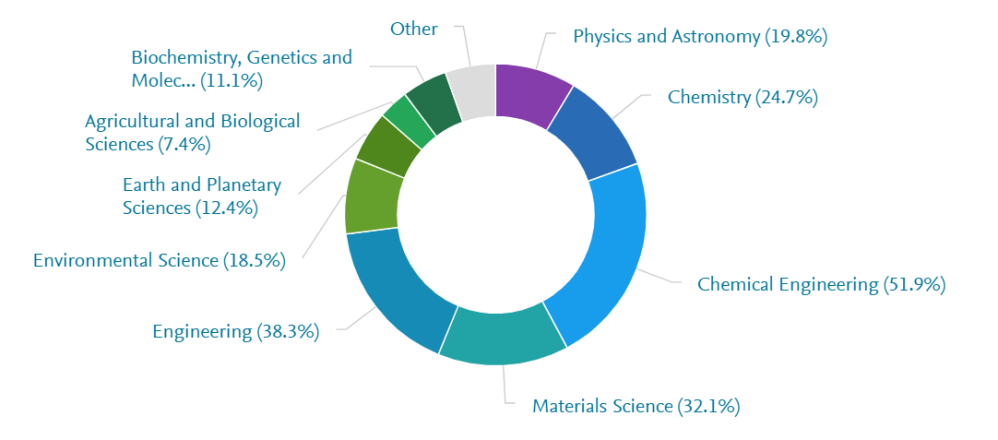
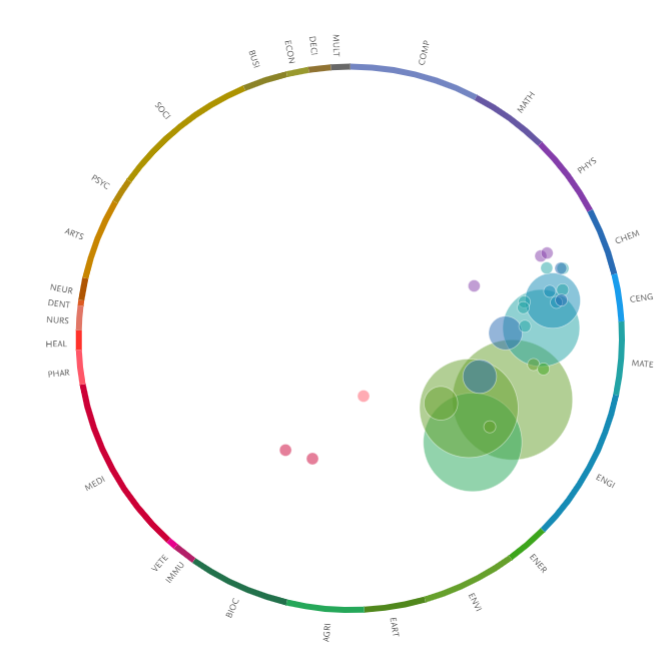
東京農工大学は、日本で唯一「工学部」と「農学部」の2学部からなる国立大学です。私たちの研究室は、その「精神」を体現しています。工学・物理科学分野のジャーナルから、農学・生命科学分野のジャーナルまで、幅広い領域で研究成果を発表してきました。この「工」と「農」の架け橋となる学際的な研究こそが、私たちの最大の強みであり、未来の課題を解決する力になると信じています。Tokyo University of Agriculture and Technology (TUAT) is unique in Japan as a national university comprised of just two core faculties: Engineering and Agriculture. Our research group truly embodies this spirit. Our publication record spans journals from the heart of Engineering & Physical Sciences to the core of Agriculture & Life Sciences. We believe that this interdisciplinary research, acting as a bridge between “Engineering” and “Agriculture,” is our greatest strength and our power to solve the challenges of the future.


Bachelor / Master Thesis Map について; 本研究室における学部卒業論文および修士論文は、自由なテーマ設定を尊重しています。これらの研究の多くは、必ずしも論文発表を目的としたものではなく、学生自身が問いを立て、実験し、考えることを重視した教育研究です。About the Bachelor and Master Thesis Map: In our lab, Bachelor’s and Master’s theses are conducted with a high degree of academic freedom. Many of these projects are not intended for publication, but instead emphasize students’ ability to formulate questions, design experiments, and think independently.
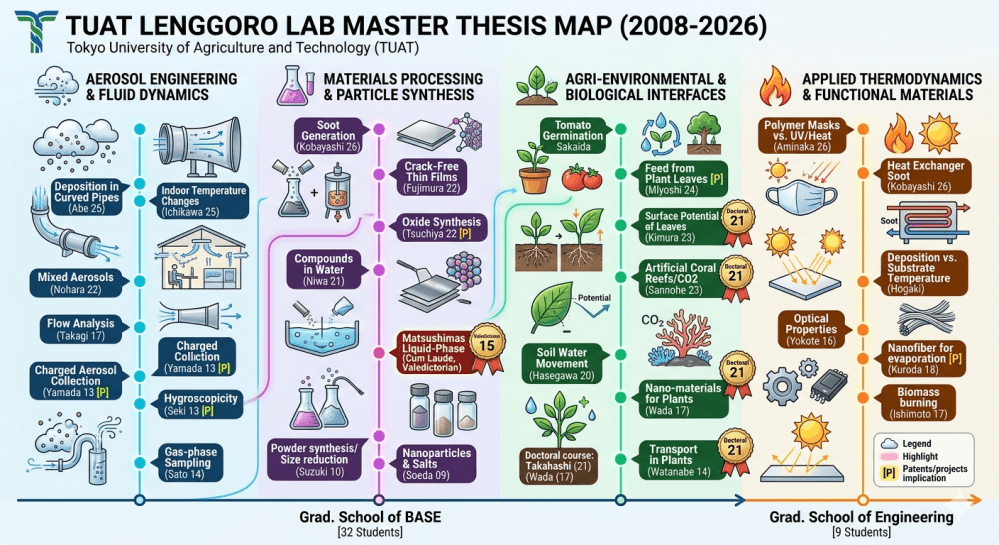
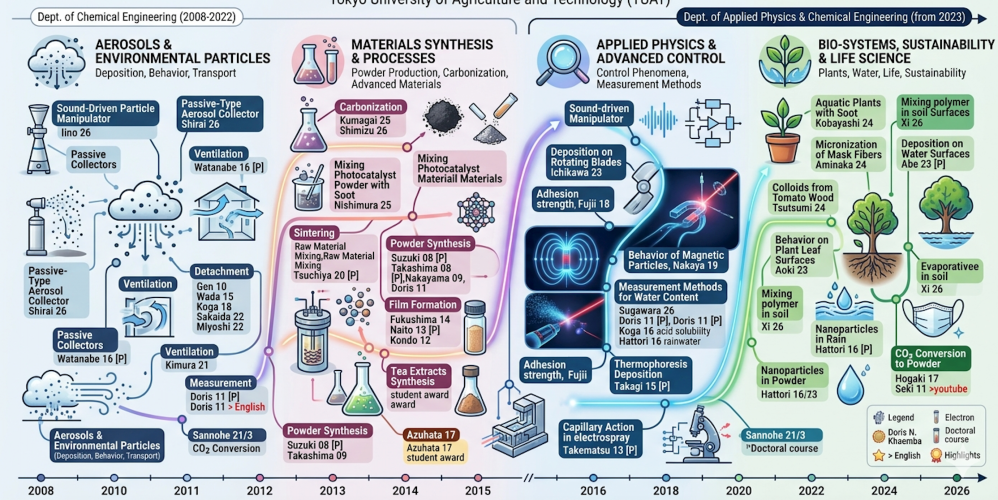
本サイトに掲載している Thesis Map は、「研究成果の一覧」ではなく、研究室における学びと探究の広がりを俯瞰的に示したものです。The Thesis Map presented here is not a list of formal research outputs, but a visual overview of the breadth of learning, exploration, and intellectual curiosity fostered in our lab. This diversity of student-driven research reflects the interdisciplinary culture of our group.

