日本語 follows English
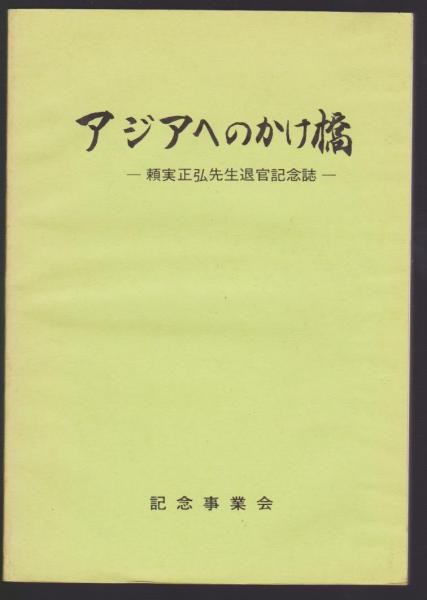
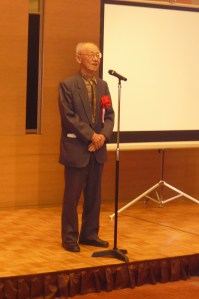
Dr. Masahiro Yorizane, the 6th President of Hiroshima University, passed away in April 2024 at the age of 104. As an Indonesian alumnus of the university, I felt his passing as something deeply personal. Between 2008 and 2010, I had the privilege of speaking with him at alumni gatherings in Tokyo, where I knew him simply as a gentle, far-sighted elder. It was only later, reading an article about him from 2001, that I understood the unbending will beneath that mild exterior — and realized he had, without my knowing it, been the quiet architect of my own destiny.
Dr. Yorizane’s presidency (1981–1985) is remembered above all for carrying out the university’s relocation from Hiroshima City to what is now Higashi-Hiroshima — a reform born out of turmoil. He once recalled, in his own words, pushing through barricades to reclaim the campus. But even then, his mind had already turned to a plan many considered “too early for its time”: establishing a Hiroshima University branch in Indonesia. It is a kind of bold, international foresight I find hard to match today.
A vision like that needs someone to carry it forward — and that is where his legacy became my destiny. As a government-sponsored scholar, I had no say in choosing my destination country, university, or field of study; the assignment was simply handed to me, and it came suddenly. In January 1989, while studying at a Japanese language school in Tokyo, I learned I had been assigned to Hiroshima University, effective that April. I was admitted without an entrance exam, having already demonstrated my readiness by passing the highest level of the Japanese Language Proficiency Test (now known as N1) the previous December. My placement in the Department of Chemical Engineering was decided by the Ministry, but I have always believed that a professor — himself a graduate of Dr. Yorizane’s laboratory — quietly played a part in it.
That single decision, traceable back to Dr. Yorizane’s influence, shaped my seventeen years at Hiroshima University: first as a student (1989–1998), then as a research associate/faculty member (1998–2006). During my years on the faculty, I co-supervised Indonesian fellows alongside senior Japanese professors, several of whom are now full professors at leading Indonesian universities such as ITB, ITS, and UnPad. In 2007, I moved to Tokyo to join Tokyo University of Agriculture and Technology (TUAT) as a faculty member — and it was during this period, at those Hiroshima University alumni gatherings between 2008 and 2010, that I had the privilege of meeting Dr. Yorizane in person. In the years since, at TUAT, I have carried his legacy forward in my own way, supervising more than twenty PhD students from Indonesia, Malaysia, and Japan — more than five of whom now hold faculty positions at leading universities in their home countries, extending the very international academic network he once envisioned.
Looking back on those conversations in Tokyo, I see the man I met in a different light now: a gentle visionary with an iron will. His legacy lives on not only in the university buildings of the Higashi-Hiroshima basin, but in the individual lives of students like me — lives quietly redirected by the reach of his enduring passion.
— Wuled Lenggoro, July 2025
REFERENCES; https://ja.wikipedia.org/
(The following Japanese version is a translated version of the English article)
広島大学第6代学長、頼實正弘先生が2024年4月、104歳でご逝去されました。インドネシア出身の卒業生である私にとって、その訃報はとても個人的なものに感じられました。2008年から2010年にかけて、東京での同窓会で先生とお話しする機会に恵まれ、当時は「穏やかで先見の明のある大先輩」という印象しか持っていませんでした。後になって先生についての2001年の記事を読み、その温和な外見の奥にある不屈の意志を知り、先生が知らぬ間に私の運命を静かに設計してくださっていたのだと気づきました。
頼實先生の学長在任期間(1981~1985年)は、混乱の中から生まれた大学改革——広島市から現在の東広島市への キャンパス移転——を成し遂げたことでよく知られています。先生ご自身、大学を取り戻すためにバリケードを突破して進んだ日々を語っておられました。しかしその頃すでに、先生の頭の中には「時期尚早」とさえ言われた構想——インドネシアに広島大学の分校を設立するという計画——がありました。これほど大胆で国際的な先見性は、今日でもなかなか見当たらないと思います。
このような構想には、それを引き継ぐ誰かが必要です。そして、そこで先生の遺志が私の運命となりました。政府派遣奨学生であった私には、留学先の国も大学も専攻も選ぶ権利はなく、割り当ては受け入れるほかない運命として、ある日突然やってきました。1989年1月、東京の日本語学校で学んでいた私に、その年の4月から広島大学へ配属されるという知らせが届いたのです。入学試験は免除されましたが、前年12月に日本語能力試験の最高レベル(現在のN1相当)に合格し、学問的な準備は既に整えていました。化学工学科への配属は文部省の決定でしたが、頼實研究室の出身であるある教授が、その受け入れに際して静かに力添えしてくださったのではないかと、私は今も思っています。
頼實先生の影響に端を発するその一つの決定が、広島大学での私の17年間——学生として(1989~1998年)、そして教員として(1998~2006年)——を方向づけました。教員時代には、日本人の先生方とともにインドネシアからの留学生を共同指導し、その多くは現在、ITB(バンドン工科大学)、ITS(セプル・ノペンバー工科大学)、UnPad(パジャジャラン大学)など、インドネシアの主要大学で教授を務めています。2007年、私は東京農工大学(TUAT)の教員となるため東京へ移りました。そしてまさにこの時期、2008年から2010年にかけての広島大学同窓会の場で、頼實先生ご本人にお会いする光栄に浴したのです。それ以来、東京農工大学で、インドネシア・マレーシア・日本から20名を超える博士課程の学生を指導し、先生の遺志を私なりの形で引き継いできました。そのうち5名以上は、現在、それぞれの母国の主要大学で教員を務めており、先生が思い描いた国際的な学術ネットワークを確かに広げています。
東京でのあの頃の会話を振り返るとき、私はお会いした方の姿を、今では違う光の中に見ています——それは、鉄の意志を秘めた、穏やかな先見の人でした。先生の遺産は、東広島盆地に建つ大学の建物だけでなく、私のような学生一人ひとりの人生——先生の尽きることのない情熱によって静かに導かれた人生——の中にも、生き続けています。