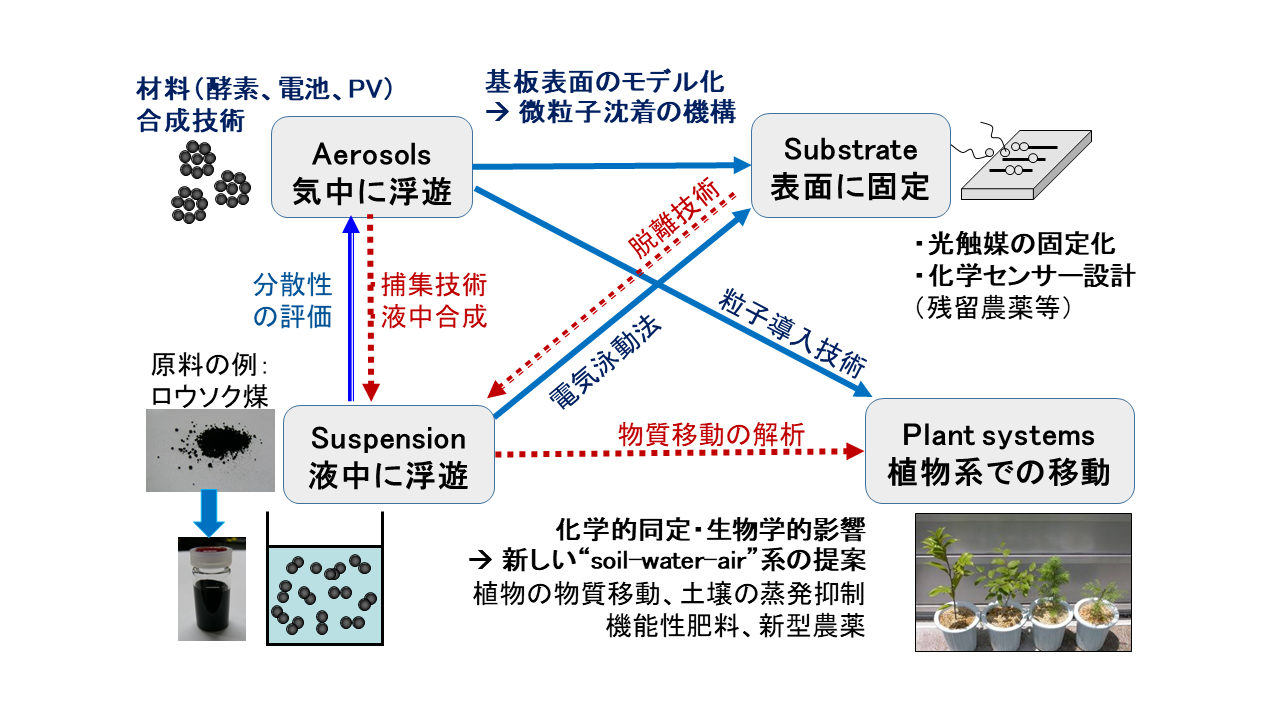
Advancing Sustainable Systems Through Interdisciplinary “Transport Phenomena” Research【物質移動プロセス 】 私たちは、微粒子・エアロゾル工学、物質・流体・熱の移動現象、化学プロセス、生物システムという異なる領域を横断する研究に取り組んでいます。食料生産や水資源の課題、生態系の保全に貢献することを目指しています。微視的なレベルでは、微粒子の動きを、マクロ的なレベルでは、地球規模の気候変動を含めたさまざまなスケールでの物質やエネルギーの移動を考慮しています。Our research focuses on the interplay of particle/aerosol technology, transport phenomena (fluid, mass, and heat), chemical processing, and biological systems. We apply our expertise to address challenges in food production, water resources, and ecosystem protection, considering materials and energy transfer across a wide range of scales, from microscopic to macroscopic, including the global environment.
| lens.org | scopus | scholar.google | orcid | exaly |
⇒ 私たちの世界初 ▶ Our “World’s First”

Atmospheric/大気, Climate/気候, Particulate Matter/粒子状物質, PM2.5, PM1.0, Particles, Soot/煤, Sprays/噴霧

Material process
論文▶材料プロセス
Combustion/燃焼, Crystallization/結晶化, Electrochemistry/電気化学, Electrostatic/静電気, Nanoparticle, Powder, Synthesis/合成



Research Direction (2007-2025) at TUAT
Phase 1: Transition and Mastery of Advanced Synthesis (2007-2012)
We developed aerosol and colloidal processing techniques. These techniques are primarily for high-performance inorganic functional materials.
- Core Technologies: Spray Methods (Electrospray), Electrophoretic Deposition.
- Key Materials & Applications:
- Luminescent Phosphors: High luminance YAG:Ce nanoparticles… (2008), Correlations between crystallite/particle size and photoluminescence properties… (2007).
- Dielectric/Ceramic Nanoparticles: Surface modification of BaTiO3 particles… (2009), Formation of BaTiO3 nanoparticles… (2007).
- Magnetic Nanoparticles: One-step synthesis of silica-coated magnetite nanoparticles… (2012), Monolayer deposition of L1(0) FePt nanoparticles… (2007).
- Early Health/Bio hints: Biopersistence of inhaled nickel oxide nanoparticles… (2007), Investigation of gene expression… in rat lung… (2011).
- This period was about demonstrating technical mastery. It involved exploring the process-property relationships of advanced materials.
Phase 2: The “Bio-Application & Environmental” Pivot (2013-2018)
Our major transformation. We began applying our core particle engineering skills to entirely new systems. These systems are “softer” and more complex. This work is clearly influenced by TUAT’s focus on Agriculture and Technology.
- Core Technologies: Aerosol transport and deposition on complex surfaces, nanoparticle-system interactions.
- Key Materials & Applications:
- Biological Molecules: Transformation of cyclodextrin glucanotransferase (CGTase)… via electrospraying (2014), Immobilisation of CGTase enzyme in… nanofibrous membrane (2016, 2021), encapsulated mefenamic acid… via electrospray (2018).
- Environmental Interactions: Effects of long-term exposure to ammonium sulfate particles on… seedlings (2014), Effect of epicuticular wax crystals on… deposition… on needles of Cryptomeria japonica (2016).
- The “Soot” Discovery: Carbonaceous nanoparticle layers prepared using candle soot… (2018). This discovery, born from aerosol research, became a seed for our next phase.
- From “How can we make better inorganic particles?” to “What happens when our engineered particles interact with biological and environmental systems?” This is where our research became uniquely interdisciplinary.
Phase 3: Consolidation into Sustainability & System-Level Solutions (2019-2025)
In this most recent phase, the discoveries from Phase 2 have matured into system-level solutions addressing major societal challenges. The focus shifted from observation to intervention.
- Core Technologies: Bio-inspired engineering, nanoparticle-transfer, sustainable materials processing.
- Key Materials & Applications:
- Water & Energy: The 2018 soot discovery is applied in One-step fabrication of soot particle-embedded fibrous membranes for solar distillation… (2023).
- Agriculture & Food: The concept of particle-plant interaction is refined into technology: Candle soot colloids enhance tomato… seed germination (2024), The Role of Silica Nanoparticles in Promoting… Germination (2023), and multiple papers on seed-nanoparticle-priming (2025). Our collaborators also explore nanocellulose… bionanocomposite film… for food packaging (2025).
- Environmental Remediation: Adsorptive capacity of… bentonite and kaolin powders for ammonium removal (2021), Surface treatment of clayey soil particles for reducing water loss (2022).
- Our lab’s identity is now consolidated as “Particle Engineering for Sustainable Systems.” The foundational knowledge from the earlier phases is now being translated into practical technologies for a sustainable future.
>> Our original technology. 独自技術
| Material process/ 材料プロセス開発 | Fluid/Heat-Transfer / 流体と熱の移動 |
| Aerosol technology/ エアロゾル工学 | Learning from Biosystems/ 生物から学ぶ |
| Food production/ 食料生産 | Water/ 水 |
| Ecosystems(大気環境も含む) | Material transfers/ 物質移動 |
| Measurement Technology/ 計測工学 | Health & Risk/ 健康&リスク |



>> 研究トピックス(2020年前) RESEARCH TOPICS (Before 2020)

戦略的な学際性:私たちの研究ポートフォリオ Strategic Interdisciplinarity: Our Research Portfolio
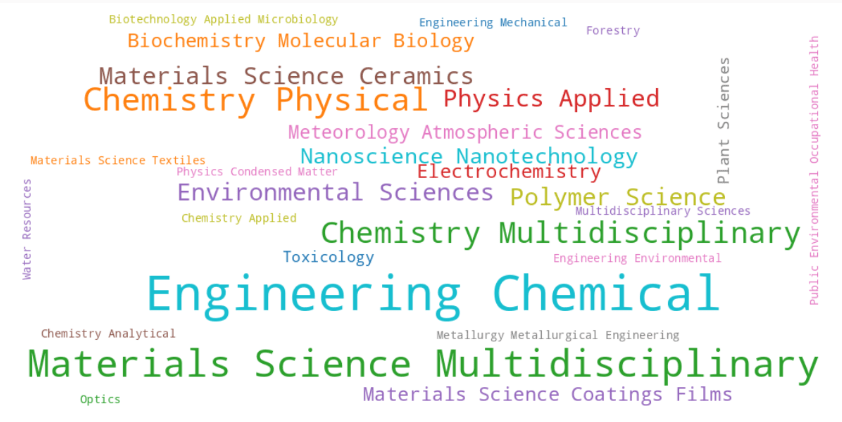
東京農工大学は、日本で唯一「工学部」と「農学部」の2学部からなる国立大学です。私たちの研究室は、その「精神」を体現しています。工学・物理科学分野のジャーナルから、農学・生命科学分野のジャーナルまで、幅広い領域で研究成果を発表してきました。この「工」と「農」の架け橋となる学際的な研究こそが、私たちの最大の強みであり、未来の課題を解決する力になると信じています。Tokyo University of Agriculture and Technology (TUAT) is unique in Japan as a national university comprised of just two core faculties: Engineering and Agriculture. Our research group truly embodies this spirit. Our publication record spans journals from the heart of Engineering & Physical Sciences to the core of Agriculture & Life Sciences. We believe that this interdisciplinary research, acting as a bridge between “Engineering” and “Agriculture,” is our greatest strength and our power to solve the challenges of the future.


 "Particles & Transfer" Lab.